Visual Symbolism in Logos


The logo is the most powerful marketing tool a corporation can use. It acts as the primary symbol of a company’s identity. Although logos may appear simple, they often contain carefully designed visual symbolism that communicates meaning, values, and brand identity.

Visual symbolism is an important element that a corporation considers to reach its target audience. Images are often easier to interpret than text. Visual symbols can carry different meanings depending on cultural context, but they can also communicate across language barriers (Ocak 89).


Figure 1: Famous logos of different corporations. Retrieved from: Brad Pettengill https://www.marketing-partners.com/conversations2/logo-design-101-the-symbol

What makes logos great is the implementation of Gestalt principles, such as similarity, proximity, and continuation, which allow viewers to quickly recognize patterns and shapes while communicating the brand's culture and credibility (Mohamed and Adiloglu 35).

A famous and common example of visual symbolism is seen in the McDonald's Logo, with the colours used to grab people's attention, while the golden arches signify who they are. The red and yellow colours used by McDonald's are widely associated with excitement, energy, and friendliness.

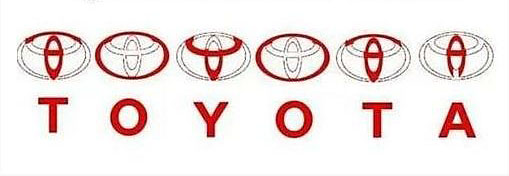
Another subtle but calculated use of visual symbolism is seen in Toyota's logo. The logo features three overlapping ovals that represent the company's relationship with its customers. The two inner ovals symbolize the customer's and the company's hearts, while the larger outer oval represents the brand's global reach. The logo is also designed so that it spells out "Toyota."

Meaning of the Toyota Symbol | Markquart Toyota | Dealer
Figure 2: The Toyota logo spells itself out. Retrieved from: Markquart Toyota https://www.markquarttoyota.com/blogs/324/what-does-the-toyota-symbol-mean/


Ultimately, visual symbolism is a key component that makes a corporation stand out. Through symbolism, corporations create images that represent their identity and values, allowing them to communicate powerful messages through a single image.

References

Ocak, Altuğ. “Visual Symbolism in Cross-Cultural Advertising: A Comparative Study of South Africa and Kenya.” Retail & Marketing Review, vol. 21, no. 2, Nov. 2025, pp. 87–105. EBSCOhosthttps://doi.org/10.5281/zenodo.17341523.

Mohamed, Kareem, and Fatos Adiloglu. "Analyzing the role of gestalt elements and design 

principles in logo and branding." International Journal of Communication and Media Science 10.2 (2023): 33-43.  https://doi.org/10.14445/2349641X/IJCMS-V10I2P104


Comments

Popular posts from this blog

Cultural Identity in Business

This series of branding discussed the role of cultural identity in developing the brand image of a business. Including cultural aspects in the branding strategies, the organizations would find it easier to reach their audiences, develop meaning relationships with consumers.  Defining Cultural Identity: Cultural identity in business is the identity of a culture in terms of values, traditions, beliefs and social aspects in the form of the company branding, marketing and communication (Hatch & Schultz, 2008).  It allows the businesses to convey an effective message and to develop a long-term relationship with the consumers. Cultural identity is expressed by companies in terms of logos, colors, images and advertising campaigns. These visual components assist the audiences in constructing their brand image and brand values (Hatch & Schultz, 2008).  In the international market, the cultural identity assists the business to develop brand images, which appeal to differe...

Diversity in Advertising

The term diversity in advertising describes how marketing campaigns display individuals from various cultural and racial and gender and social background groups. The growing multicultural diversity of societies requires companies to include various racial backgrounds in their advertising because this method delivers better results for their marketing efforts (MAZODIER). Advertising that includes all people enables viewers to find their own identity through both media content and marketing materials.  The presence of identity elements in advertisements enables individuals to establish a stronger emotional bond with the brand. The result will establish brand trust while simultaneously building a positive company reputation. The authentic representation of diversity in advertising requires proper implementation. The primary purpose of diversity initiatives for some businesses exists as a marketing tool instead of an honest effort to achieve inclusion. The growing awareness among consu...

Dove Real Beauty Campaigns

Figure 1 Note. From “The lasting genius of Dove’s ‘Real Beauty,’ and the formal daring of Jeep’s ‘Portraits’,” by T. Nudd, 2016, Adweek. https://www.adweek.com/brand-marketing/lasting-genius-doves-real-beauty-and-formal-daring-jeeps-portraits-174095/ I t is a daily struggle to be a woman and deal every day with thoughts about how your body looks, if it is enough, or if you need to improve it to fit into a society where thin and slim bodies are still the beauty standard. These expectations are present everywhere, especially in advertising and media, where certain body types have historically been promoted as the “ideal.” For me, this has been a personal struggle since I was a kid. I grew up going to diets and nutritionists, and many times people were looking at me or judging what I was eating. At that time I didn’t fully understand it, but now as an adult I realize that food was also an emotional escape for me. I used to look at models like Gigi Hadid or Blake Lively because they ar...